
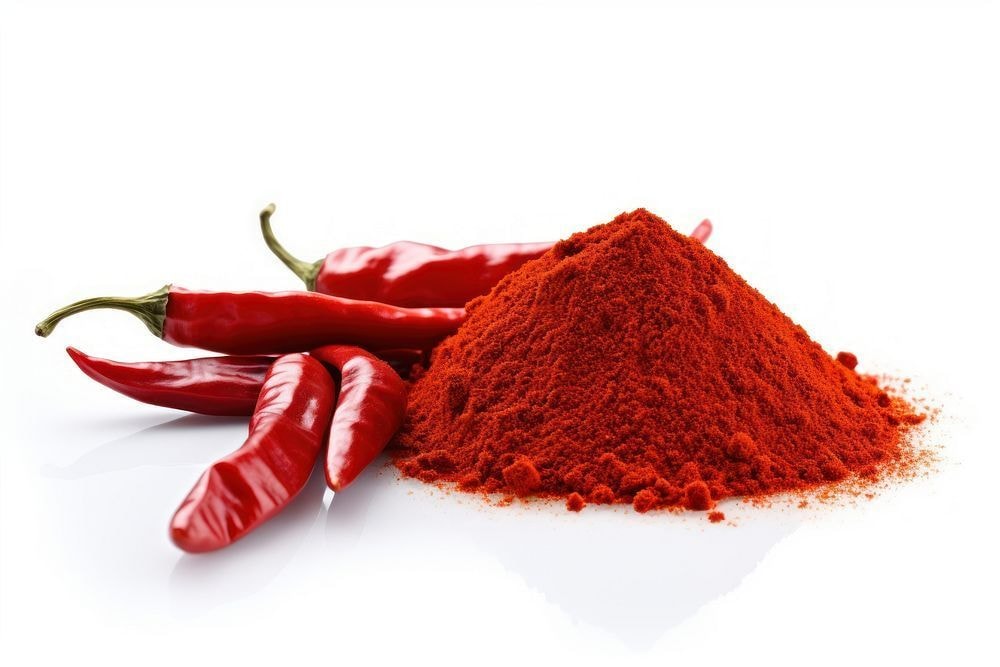
India is one of the largest producers and exporters of spices, and Red Chili Powder is among the most in-demand products worldwide. The export of Indian spice, especially chili powder, plays a crucial role in global food industries due to its vibrant color, strong aroma, and varying heat levels.
For importers, wholesalers, and food manufacturers, understanding the quality standards for Red Chili Powder export is essential to ensure compliance, safety, and consistent product performance.
Why Red Chili Powder is in High Global Demand
Red Chili Powder is widely used across international cuisines for its ability to enhance flavor, color, and pungency. Major importing regions include:
- Europe
- United States
- Middle East
- Southeast Asia
- Africa
The growing demand for processed foods, ready-to-eat meals, and spice blends has significantly increased the export business of chili powder from India.
Key Quality Parameters in Red Chili Powder Export
To succeed in the export of Indian spice, chili powder must meet strict international standards. Below are the most important quality factors:
1. Pungency (Heat Level – SHU)
The heat level of chili powder is measured in Scoville Heat Units (SHU).
- Mild: Low SHU (used in European markets)
- Medium: Balanced heat (widely used globally)
- Extra Hot: High SHU (preferred in Asian and Middle Eastern cuisines)
Exporters must provide consistent SHU levels based on buyer requirements.
2. Color Value (ASTA)
Color is a critical factor in chili powder exports. It is measured using ASTA (American Spice Trade Association) units.
- Higher ASTA value = brighter red color
- Lower ASTA value = dull or darker color
Kashmiri chili powder is especially valued for its high ASTA and vibrant appearance.
3. Purity Levels
Export-grade chili powder must meet strict purity standards:
- Typically 99% to 99.5% pure
- Free from dust, stems, and foreign particles
- No artificial color or additives
High purity ensures product safety and compliance with international regulations.
4. Moisture Content
Moisture levels must be controlled to prevent spoilage and microbial growth.
- Ideal moisture: 8% - 12%
- Low moisture helps maintain shelf life during long-distance shipping
5. Particle Size and Texture
Depending on usage, buyers may require:
- Fine powder (for spice blends and sauces)
- Coarse powder (for seasoning and marinades)
Uniform grinding ensures consistency in food processing applications.
Types of Chillies
1. Red Chilli Powder
Andhra Pradesh, Karnataka, Rajasthan (India)
Made from premium dried red chillies, known for strong heat, rich color, and bold flavor, ideal for spice blends and global cuisines.
2. Kashmiri Chilli Powder
Kashmir, Himachal Pradesh (India)
Famous for its vibrant red color and mild heat, perfect for enhancing appearance and adding subtle flavor to dishes.
3. Extra Hot Chilli Powder
Andhra Pradesh, Tamil Nadu, Assam (India)
High-pungency chilli powder with intense heat levels, preferred for spicy food preparations and industrial use.
Processing Standards for Export-Grade Chili Powder
Modern spice exporters use advanced techniques to maintain quality:
- Machine cleaning to remove impurities
- Sortex processing for color and purity sorting
- Hygienic grinding in controlled environments
- Metal detection and contamination checks
These processes ensure that the chili powder meets global food safety standards.
Packaging Requirements for Global Markets
Proper packaging is essential in the export business to maintain product quality. Different options like 10 kg / 25 kg / 50 kg or laminated bags are available.
Good packaging protects the product from moisture, contamination, and damage during transit.
Certifications Required for Chili Powder Export
To comply with international regulations, exporters must provide:
- FSSAI Certification
- ISO Certification
- APEDA Registration
- Phytosanitary Certificate
- Fumigation Certificate
- Certificate of Origin
These documents are crucial for smooth customs clearance and acceptance in global markets.
Opportunities in the Global Spice Export Market
The global demand for chili powder continues to rise due to:
- Increasing consumption of ethnic cuisines
- Growth of food processing industries
- Rising demand for natural ingredients
This makes Red Chili Powder a strong product in the export business, offering long-term growth opportunities for importers and suppliers.
Partner with Panadium Exports for Premium Red Chili Powder
If you are looking for a reliable partner in the export of Indian spice, Panadium Exports offers high-quality Red Chili Powder customized to global market requirements.
Our products are processed under strict hygiene standards, ensuring:
✔ High ASTA color value
✔ Consistent SHU levels
✔ 99%+ purity
✔ Stemless and impurity-free powder
We provide flexible packaging options, competitive pricing, and reliable global shipping to ensure your business runs smoothly.
Contact Panadium Exports today for bulk orders and long-term spice supply partnerships.
FAQ’s
1. What is the ideal ASTA value for Red Chili Powder export?
ASTA values vary by market, but a higher ASTA (80–150+) is preferred for vibrant red color, especially in premium markets.
2. How is export-quality chili powder processed?
It is machine cleaned, sortex processed, and ground in hygienic facilities to ensure high purity and safety standards.
3. What packaging is used for bulk chili powder export?
Common packaging includes 10 kg, 25 kg, and 50 kg food-grade bags, along with customized packaging options for specific buyer needs.
4. Why is India a leading exporter of chili powder?
India offers high-quality raw materials, competitive pricing, advanced processing, and strong export infrastructure, making it a global leader in spice exports.